Tazhib Art: Traditional Ornamentation Adorned with Golden Touches
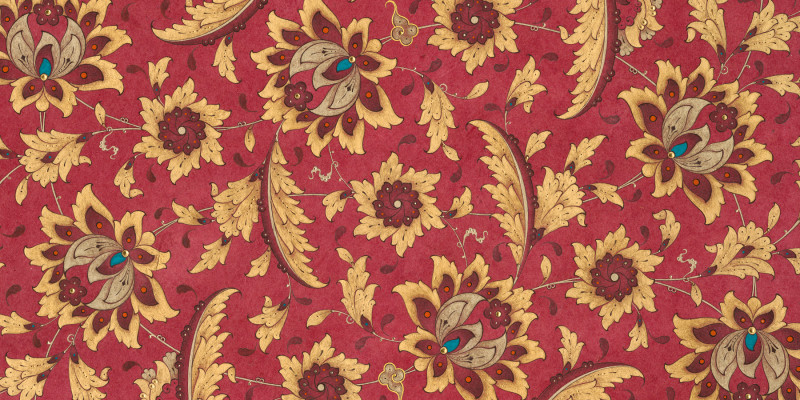
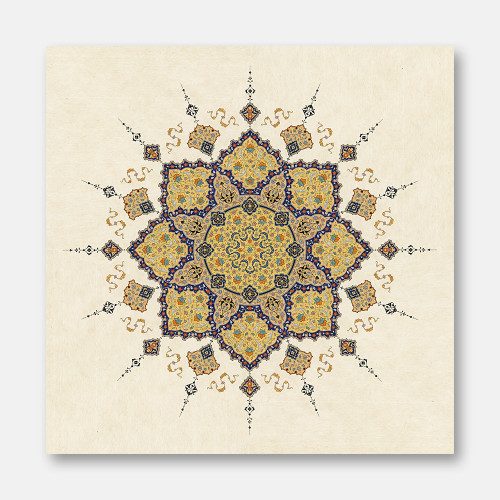
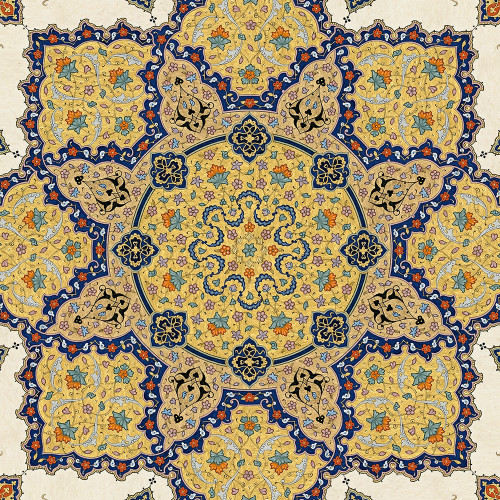
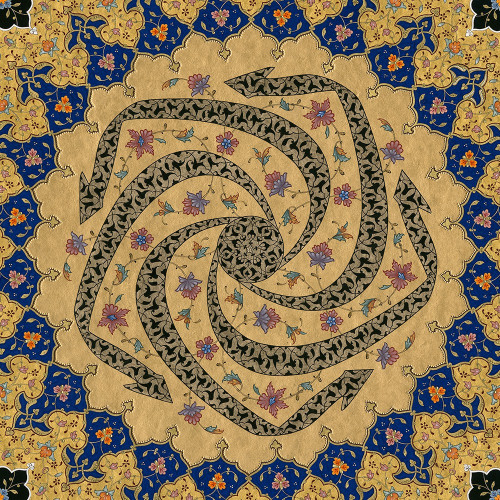
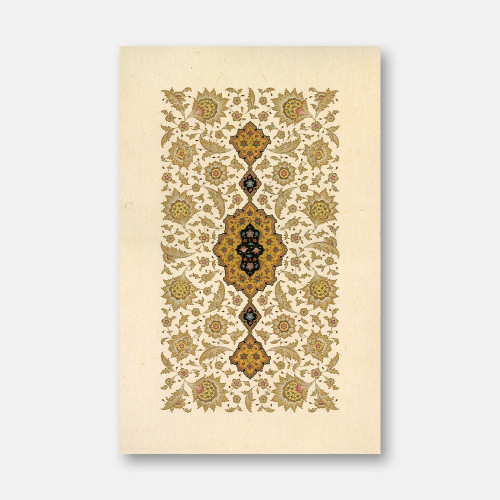
One of the shining jewels of Islamic art, Tazhib Art literally means "gilding" and represents a centuries-old tradition of aesthetics and spirituality. So, what is Tazhib Art? This elegant branch of art is the meticulous ornamentation of surfaces—primarily manuscripts—using gold and vibrant paints with intricate patterns. It does not merely add visual opulence; it expresses a profound respect for divine beauty and the sanctity of the text. In this category, you can discover the rarest examples of Tazhib Art and find unique masterpieces that will bring a celestial glow to your living spaces.
The Intricacies of Tazhib Art: Patterns, Motifs, and Meaning
Calligraphy, also known as Husn-i Hat, inherently embodies love and respect for the divine word. Sacred texts, primarily the Holy Qur'an, along with hadiths, prayers, and words of wisdom, take on an aesthetic form through the calligrapher’s pen. This art form ensures that letters are not just read but contemplated, inviting the viewer on both a visual feast and a spiritual journey. Every calligraphy piece crafted by a master is the product of years of patience, devotion, technical mastery, and deep spiritual understanding. In this regard, Islamic calligraphy stands apart from other forms of writing as a mode of worship and contemplation.
A Rich Heritage: Motifs and the Essence of Gold
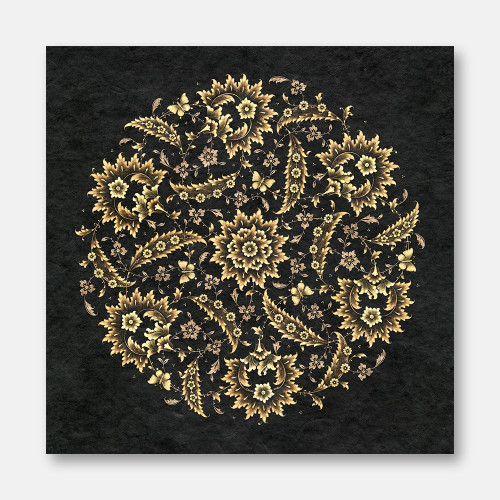
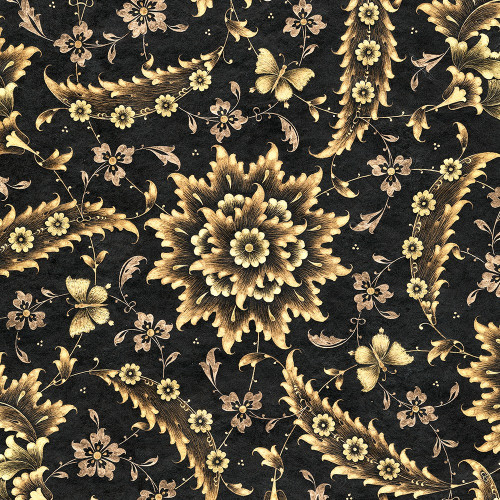
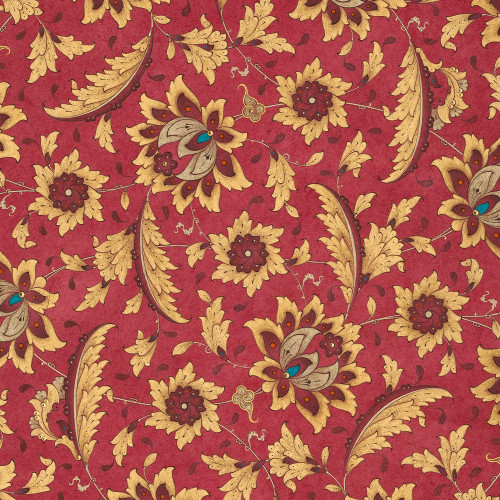
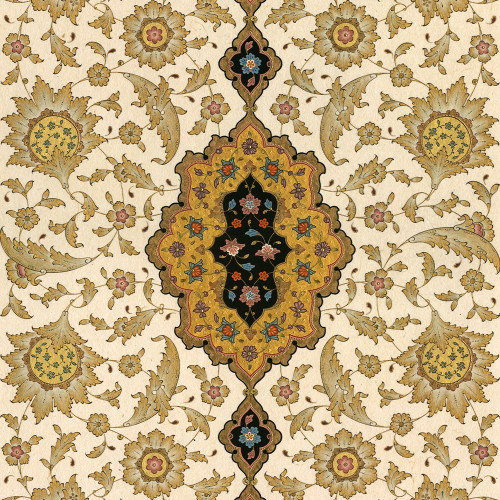
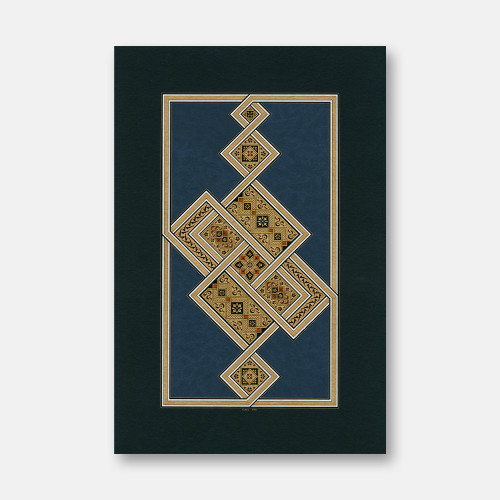
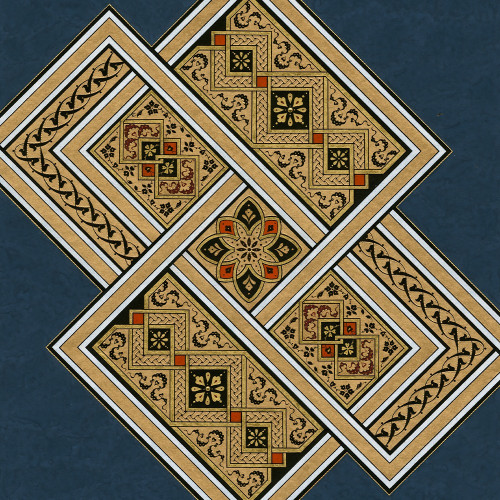
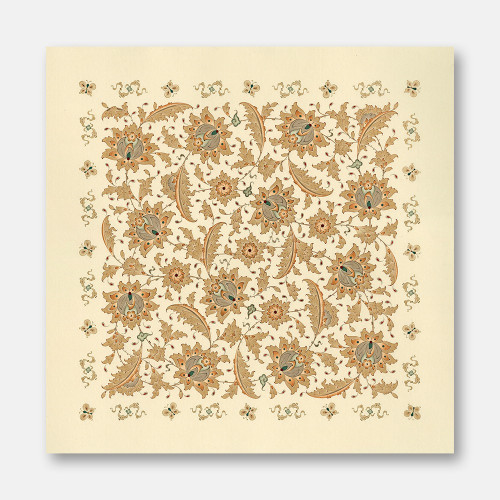
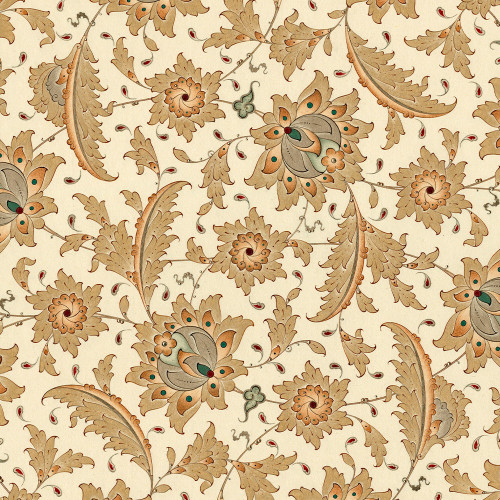
At the heart of Tazhib Art lie dazzling patterns and traditional motifs. The perfect balance of geometric shapes, the grace of curved botanical motifs (such as Rumi and Hatayi), and the harmony of colors are the cornerstones of this art. Gold usage, in particular, is vital for Tazhib Art. Derived from the Arabic word "zahab" (gold), this art uses gold leaf to add more than just material value; it provides a radiance symbolizing divine light, eternity, and spiritual transcendence. Every brushstroke and every motif processed with patience reflects the harmony of creation, the artist's dedication, and the reverence held for the text.
Tazhib Through History: Varieties and the Union with Calligraphy
Tazhib Art flourished during the early periods of Islamic civilization and reached its zenith in Ottoman and Seljuk court workshops. Over time, different styles and applications emerged, creating a rich heritage of Tazhib varieties. Yet, the inherent elegance and spiritual depth have always been preserved. Tazhib Art is frequently mentioned and used alongside Calligraphy. These two unique arts complement each other; while calligraphy gives the text its soul, Tazhib crowns that soul with a visual feast. The Holy Qur'an, divans, and significant manuscripts showcase the perfect harmony of these two arts.
Radiance That Adds Value to Spaces: Tazhib Paintings and Standalone Works
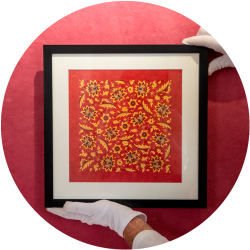
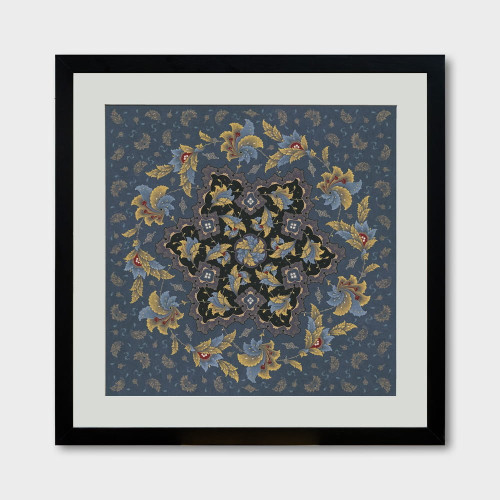
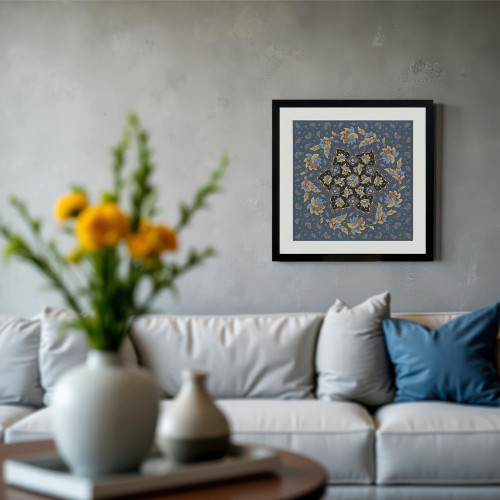
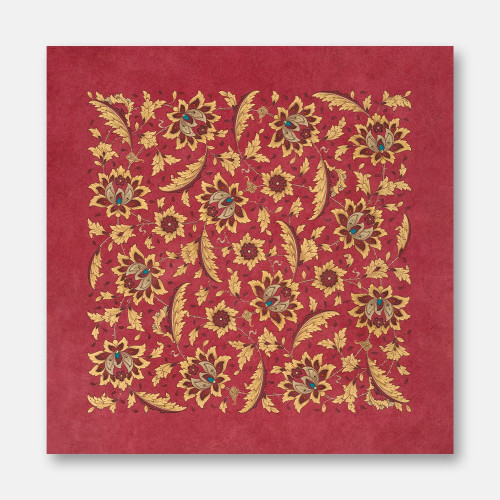
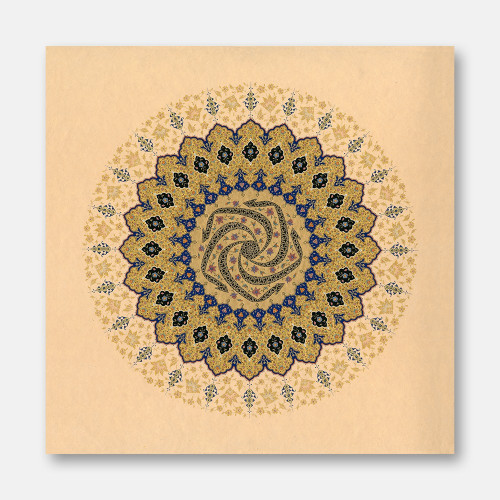
Traditionally adorning manuscripts, Qur'anic pages, and architectural elements, Tazhib Art appears in various forms today. Standalone Tazhib masterpieces, designed and framed to decorate walls, attract great interest. A Tazhib painting does not only add aesthetic value to your home or office; it enriches the atmosphere of the space with its deep meaning, delicate craftsmanship, and golden luster. The works presented in this category include Tazhib painting options masterfully prepared using traditional motifs, reflecting both classical techniques and modern interior compatibility. Whether showcasing the pure beauty of illumination or the majestic union of calligraphy and Tazhib, these works will add a meaningful and elegant touch to your walls.